
English| EUR
Suggested for you
More currencies
Choose a language
Seville enforces no city-wide dress code, but specific venues apply their own standards. Religious sites require covered shoulders and knees, while flamenco tablao shows and upscale restaurants expect smart-casual attire. Understanding these unwritten rules prevents entry refusals and shows respect for local customs.
Quick answer
Seville has no official city-wide dress code, so casual clothing works for most situations. Religious sites including the Cathedral and Real Alcázar require shoulders and knees covered—no tank tops, shorts above the knee, or see-through garments. Flamenco dinner shows typically expect smart-casual attire, though enforcement varies by venue. Summer temperatures regularly exceed 40°C, making lightweight, breathable fabrics essential for comfort while meeting modesty standards.
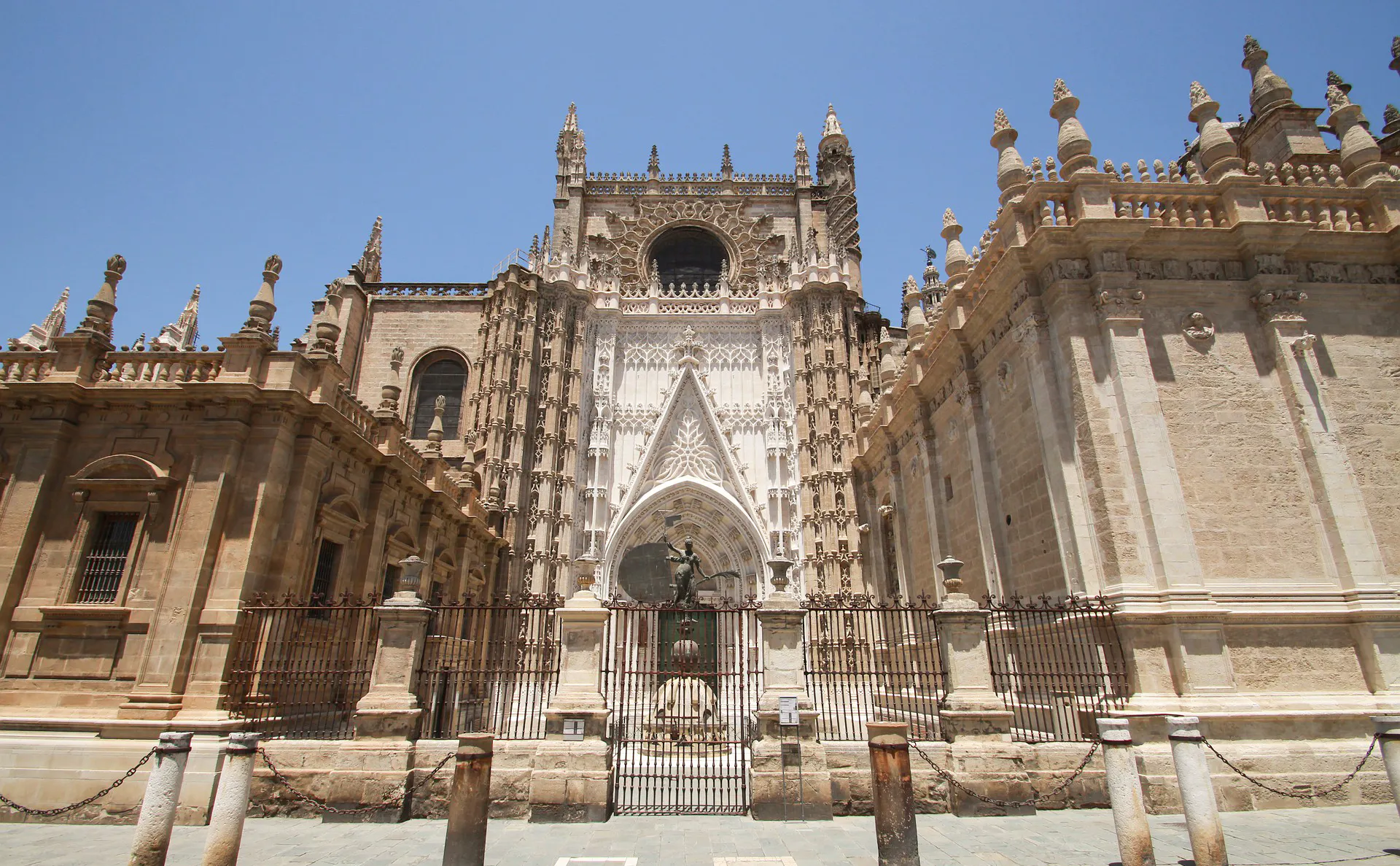
Seville operates under an informal dress code that shifts depending on where you go and what you plan to do. The streets of Santa Cruz, Triana, and the shopping corridor along Calle Sierpes see everything from sundresses to linen shirts, with no official restrictions on everyday wear. Local residents favor practical clothing that accounts for the Andalusian climate—loose cotton, breathable layers, and walking shoes suitable for cobblestone. Religious buildings enforce the strictest standards. The Cathedral, with its Giralda tower, turns away visitors in sleeveless tops, shorts, or skirts that fall above the knee. Guards stationed at entrances make these decisions in real time, and no exceptions apply during peak tourist months. The same rules extend to the Church of El Salvador, the Basilica de la Macarena, and other active worship spaces across the historic center. Carrying a lightweight scarf or shawl solves most coverage issues without adding bulk in summer heat. Flamenco tablaos present a different expectation. Venues hosting dinner shows lean toward smart-casual—collared shirts for men, dresses or tailored trousers for women—though jeans with a neat top generally pass. High-end restaurants in the Arenal and Alfalfa districts operate under similar unwritten codes, where beachwear and athletic shorts stand out. The contrast matters: a casual lunch at a tapas bar near the Metropol Parasol requires nothing formal, while evening reservations at rooftop venues call for more polished choices. Practical considerations outweigh style from June through September. Temperatures in the low 40s Celsius make heavy fabrics uncomfortable, and afternoon walks through the Plaza de España or along the Guadalquivir demand sun protection. Locals schedule outdoor activities before 11:00 or after 19:00, when the heat relents. Layering works for spring and autumn visits, when mornings start cool and afternoons warm considerably. Comfortable footwear remains non-negotiable—Seville's old town covers several square kilometers of uneven stone, and most major sites require extended walking between entry points and main attractions.
“Religious sites turn away visitors in sleeveless tops or shorts, with guards making real-time decisions at entry points.”
Seville has no official city-wide dress code, but locals favor smart-casual attire year-round. Religious sites like the Cathedral enforce modest clothing rules—covering shoulders and knees is mandatory for entry.
The best time to visit Seville is during the spring or autumn months when temperatures are moderate. These periods allow for more comfortable exploration of the city without the intensity of extreme summer heat.
Mild temperatures, 15°C to 25°C
Spring offers pleasant conditions for walking tours. It is an ideal time for outdoor sightseeing.
Very hot, often exceeding 35°C
Summer heat is significant and necessitates staying hydrated. Midday hours are best spent indoors.
Warm and pleasant, 18°C to 28°C
Autumn provides comfortable weather for exploring the city streets. Evenings remain mild and enjoyable.
Cool, 6°C to 17°C
Winter is generally mild but requires layers. Rain showers are more frequent during these months.
Verdict: The best time to visit is during the shoulder seasons of April, May, or October to balance favorable weather with manageable visitor numbers.
Pack smart for Seville's cobbled streets and sacred spaces with these essentials.
Everything you need to know about seville dress code
There is no official seville dress code enforced city-wide for visitors. You are generally free to dress in whatever comfortable, casual clothing you prefer while exploring the streets and plazas.
Most flamenco venues maintain an informal atmosphere where standard casual wear is perfectly acceptable. While some guests enjoy dressing up for an evening show, no specific formal attire is required to enter or enjoy the performance.
When visiting major landmarks, standard tourist attire such as shorts, t-shirts, and comfortable walking shoes is common. Always keep in mind that being respectful is key to blending in with the local culture while navigating the city.
While exploring religious sites like the Cathedral, it is recommended to wear modest attire that covers your shoulders and knees. This ensures you remain respectful of the local customs observed within these historic sanctuaries.
The informal clothing standards in the city apply to all travelers regardless of age. Families are encouraged to dress children in comfortable clothes suitable for the local weather conditions.
Most bars and restaurants in Seville do not enforce a strict seville dress code for entry. However, maintaining a neat and tidy appearance is always appreciated when visiting upscale dining establishments or cocktail bars.
You should prioritize respectful clothing primarily when entering churches or other sacred monuments. Beyond these instances, simple casual wear is widely accepted across all parts of the city.
During the hot summer months, light and breathable fabrics are recommended to stay comfortable. Regardless of the season, the informal nature of the city remains consistent for all visitors.