Interactive Gallery
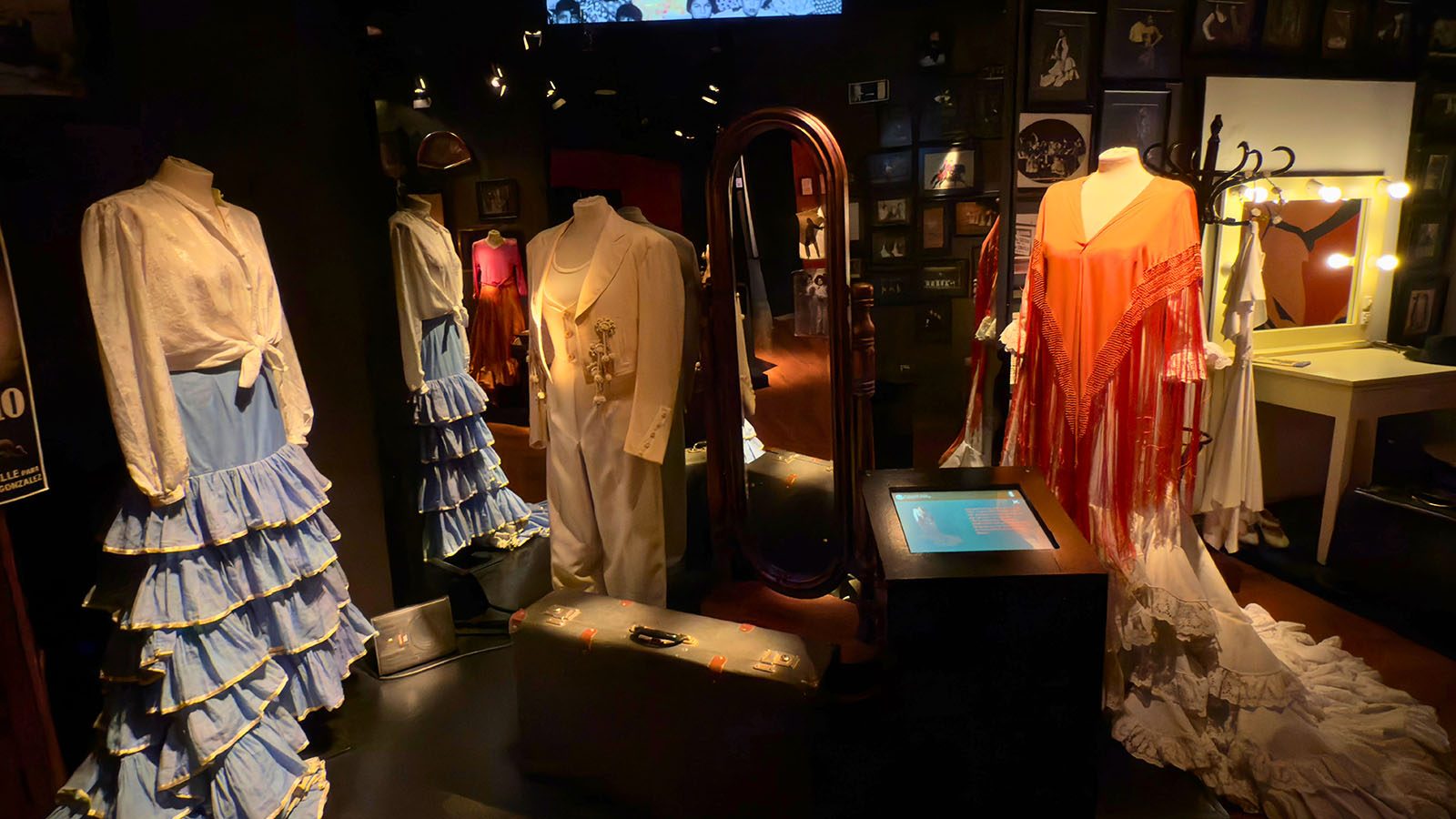
Displays use digital media and costumes to explain the rhythm, posture, and expression required in flamenco.
Observe the video tutorials before heading to the stage.

Seville holds flamenco at its core—not as tourist spectacle but as living tradition woven through the city's neighborhoods and gathering spaces. This guide maps the venues where you'll encounter the art form at its most honest, from museum stages to century-old tablaos, and explains what separates authentic performance from polished dinner-show choreography.
Quick answer
The Museo del Baile Flamenco at Calle Manuel Rojas Marcos, 3 offers daily performances alongside interactive exhibits, open 11:00–18:00 Monday through Sunday with general admission at 10 EUR per person. Intimate tablaos in Triana and Santa Cruz present evening shows ranging from stripped-down guitar-and-voice sessions to full ensemble performances, while peñas flamencas—members-only clubs that occasionally open to visitors—stage the most unvarnished encounters with the tradition.
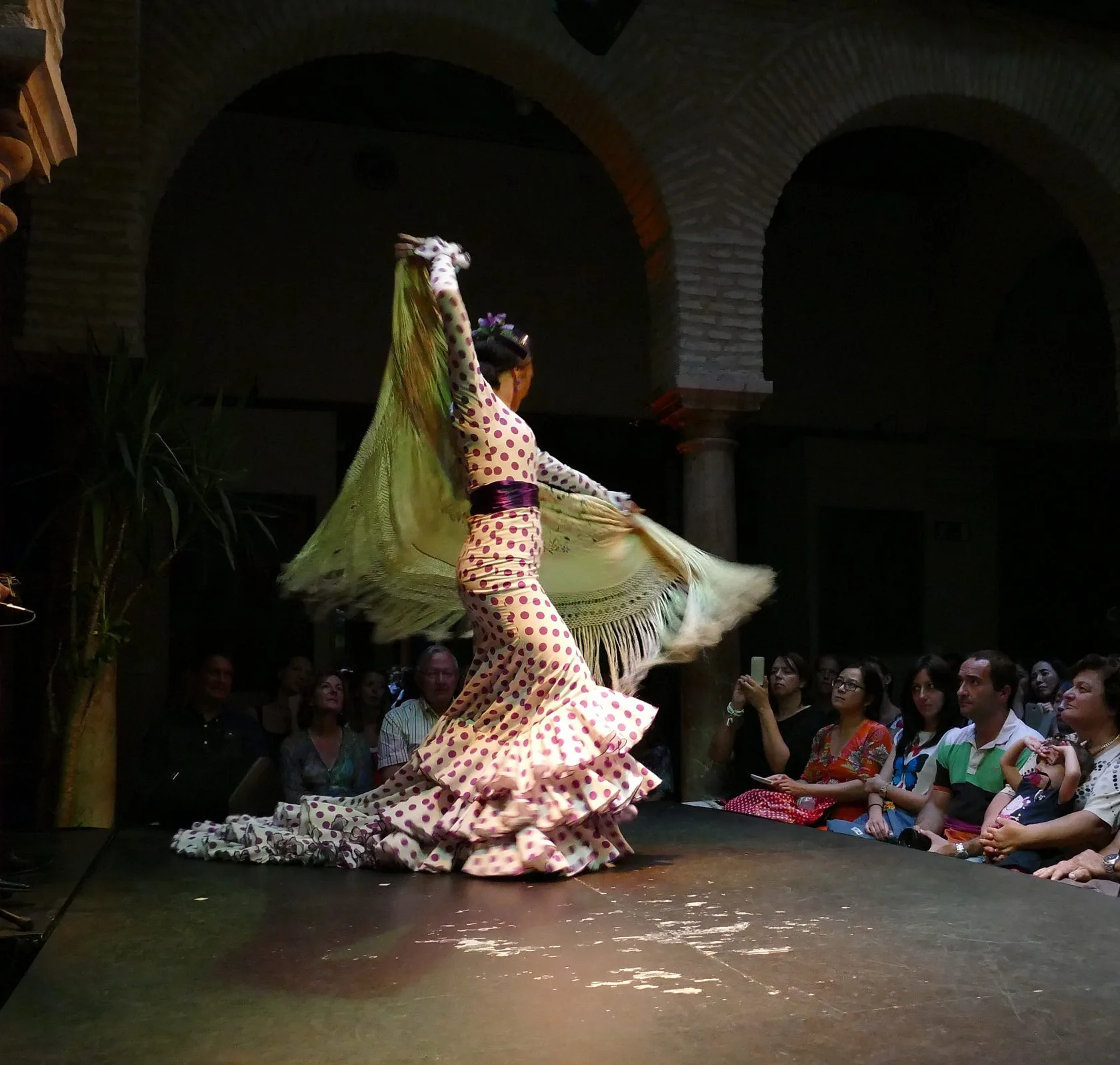
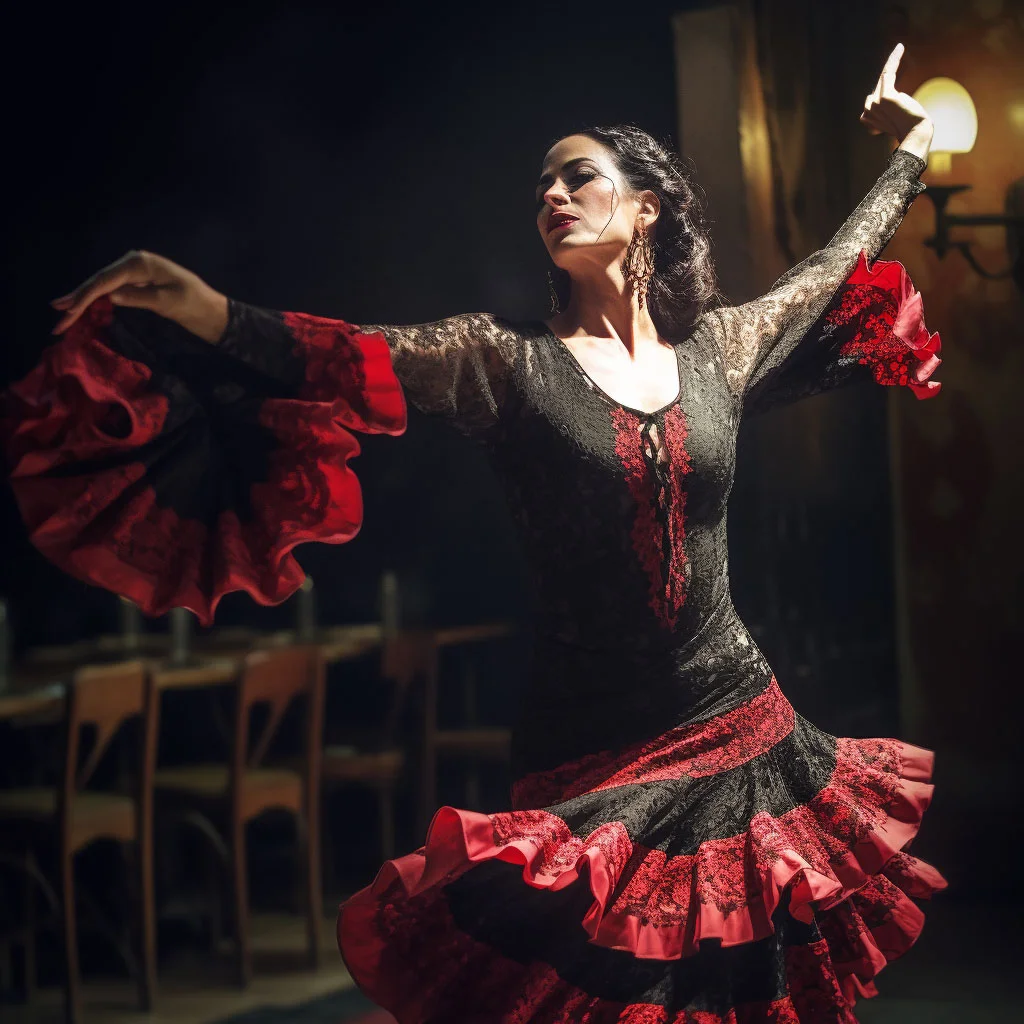
Flamenco in Seville does not announce itself with neon or velvet ropes. The art was born in the corrales and patios of working neighborhoods, forged from Andalusian folk song, Romani musical tradition, and the weight of lived experience, and it still pulses through the city in forms that range from polished theater to spontaneous juerga. Where to see flamenco in Seville depends on what you are willing to trade. The Museo del Baile Flamenco—founded by dancer Cristina Hoyos—pairs daytime exhibits on the history and technique of the art with scheduled performances on an intimate stage, allowing you to understand the vocabulary before witnessing its deployment. Tablaos such as Casa de la Memoria in Santa Cruz and Lo Nuestro in Triana strip away the dinner-show apparatus and present flamenco as concentrated ritual: a singer, a guitarist, a dancer, and an audience close enough to hear the breath and boot-strike. These venues program performers from Seville's established lineages, and the atmosphere tilts toward reverence rather than entertainment. Peñas flamencas—neighborhood clubs where aficionados gather—offer the rawest window into the tradition, though access varies; some welcome walk-ins on performance nights, others require introduction. La Carbonería, a sprawling bar in the Alfalfa district, hosts free nightly performances that attract both locals and travelers, and while the setting is informal, the caliber remains high. Triana, the historic Romani quarter across the Guadalquivir, remains flamenco's emotional center; its tablaos and corner bars carry the weight of generations who shaped the cante jondo style that defines Seville's sound. Authenticity in flamenco is not a certificate or a venue type—it lives in the duende, the ineffable intensity that surfaces when a performer surrenders to the music. You will recognize it when the room falls silent and the only sound is the scrape of a heel and the crack of a voice pushing against its own limits. That moment exists in museum theaters and barrio dives alike, and knowing where to look is the first step toward finding it.
“Flamenco in Seville does not announce itself with neon or velvet ropes—it was born in the corrales and patios of working neighborhoods, and it still pulses through the city in forms that range from polished theater to spontaneous juerga.”
The museum and performance space operates on a consistent daily schedule throughout the week. Visitors may access the facility from late morning until early evening.
The venue is located in the heart of Seville at Calle Manuel Rojas Marcos, 3, 41004 Sevilla, Spain. It is situated within the historic Santa Cruz neighborhood and is most easily accessed by walking through the narrow streets of the city center.
Walk from Plaza de la Alfalfa
C5 line to Plaza Ponce de Leon
Direct drop-off at the nearest accessible point
The venue is best reached on foot due to the pedestrianized nature of the surrounding district. We recommend planning your arrival within the 11:00–17:00 window to enjoy the museum exhibits before the evening performances.
This plan suits visitors who want to experience both the museum's interactive exhibits and a live evening performance. The complete experience takes 4–5 hours, combining daytime exploration with a scheduled flamenco show.
Enter when doors open to avoid afternoon crowds. Use the early hours to explore the permanent collection at your own pace.
Spend 90 minutes in the hands-on zones that demonstrate flamenco techniques and history. The second floor offers video installations showing different palos (flamenco styles).
Step out to one of the tapas bars on Calle Mateos Gago, a 3-minute walk. Return by 15:00 to secure good positioning for evening activities.
Explore the central patio where occasional afternoon demonstrations occur. Check the ground-floor gallery for rotating exhibits on contemporary flamenco artists.
Take your seat for the scheduled show in the museum's intimate theater space. Performances typically run 60–75 minutes with a small ensemble of dancers, singers, and guitarists.
The best arrival window is 11:00–17:00, which allows sufficient time to explore the interactive museum exhibits before the evening performance schedule begins. Planning your visit within this timeframe ensures a comprehensive experience of the venue.
—
Quiet periods allow for closer inspection of museum displays before the evening performances begin.
Mild, 15°C–25°C
Outdoor temperatures are pleasant, though popular areas experience increased foot traffic.
Comfortable, 16°C–26°C
This season offers a balance of manageable crowd levels and mild weather for sightseeing.
Very hot, 30°C–36°C
Intense heat makes indoor museum visits during mid-day an effective strategy to avoid the afternoon sun.
Verdict: The best arrival window is between 11:00 and 17:00 on weekdays during the months of April or October to balance crowd levels and weather conditions.
The venue offers a structured exploration of flamenco through interactive exhibits that detail the discipline's technical elements. These spaces transition from educational displays to a dedicated performance area designed for close-range observation.
Displays use digital media and costumes to explain the rhythm, posture, and expression required in flamenco.
Observe the video tutorials before heading to the stage.
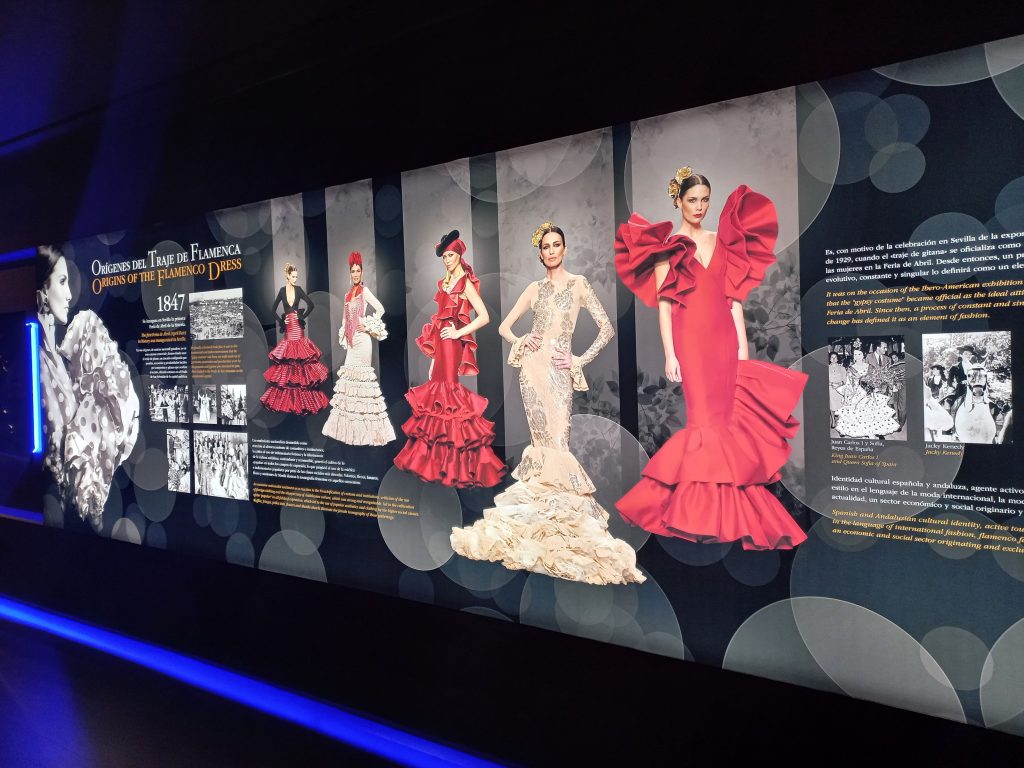
A curated selection of traditional garments shows the evolution of dress and its role in dance movement.
Look closely at the fabric details and embroidery techniques.
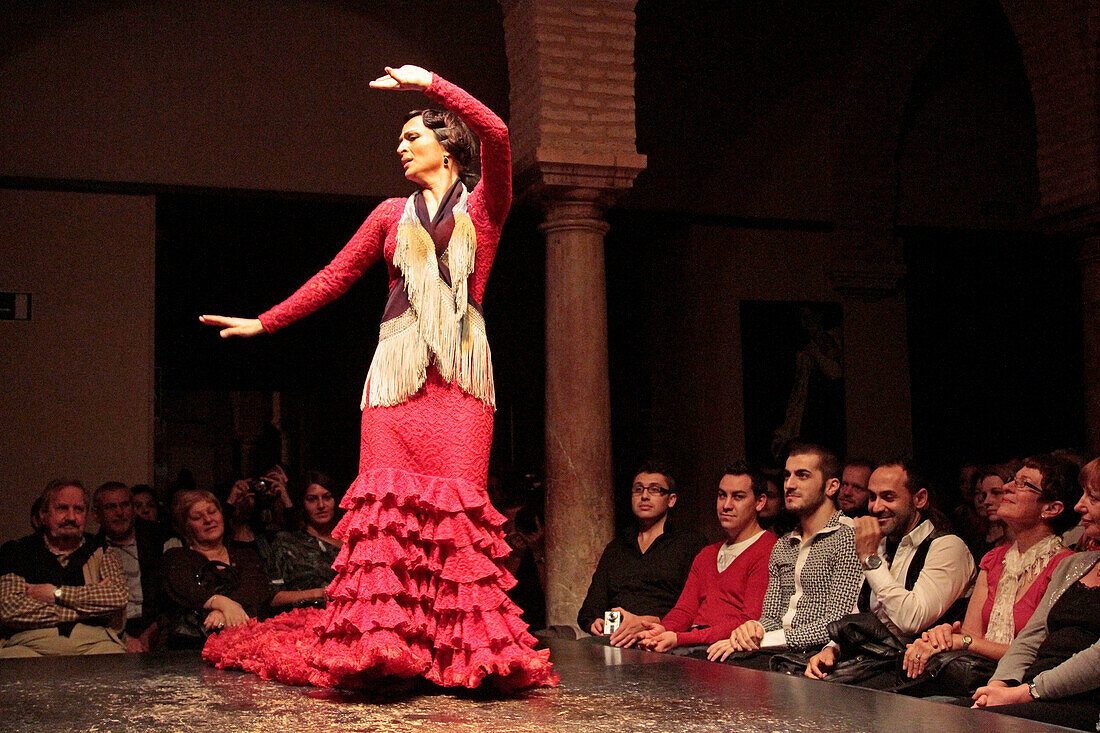
This central courtyard provides an intimate setting for live performances with traditional acoustics.
Sit near the front to monitor the footwork and hand gestures.
A gallery space often featuring temporary exhibitions related to flamenco photography and artistic interpretations.
Walk through this area to see how artists capture dance motion.
Everything you need to know about where to see flamenco in seville
The Museo del Baile Flamenco is a premier cultural center for those searching for where to see flamenco in seville. It provides an immersive experience into the history and soul of this traditional Andalusian art form.
The best arrival window is 11:00–17:00, which allows time to explore the interactive museum exhibits before the evening performance schedule. Planning your trip during these hours ensures you get the most out of your visit to see authentic flamenco in Seville.
General museum admission is 10 EUR per person. This fee grants you access to the interactive exhibits that showcase the rich heritage of Spanish dance.
Yes, the museum is open from 11:00–18:00 every day, including weekends. This consistent schedule makes it convenient for visitors deciding where to see flamenco in seville regardless of their travel dates.
Absolutely, the facility is designed for guests to learn about the castanets, costumes, and rhythmic patterns of flamenco before seeing a show. Visiting early in the day is a great way to deepen your understanding of where to see flamenco in seville and what makes a performance special.
The venue is located at Calle Manuel Rojas Marcos, 3, 41004 Sevilla, Spain. It is centrally situated, making it easily accessible for those exploring the city center.